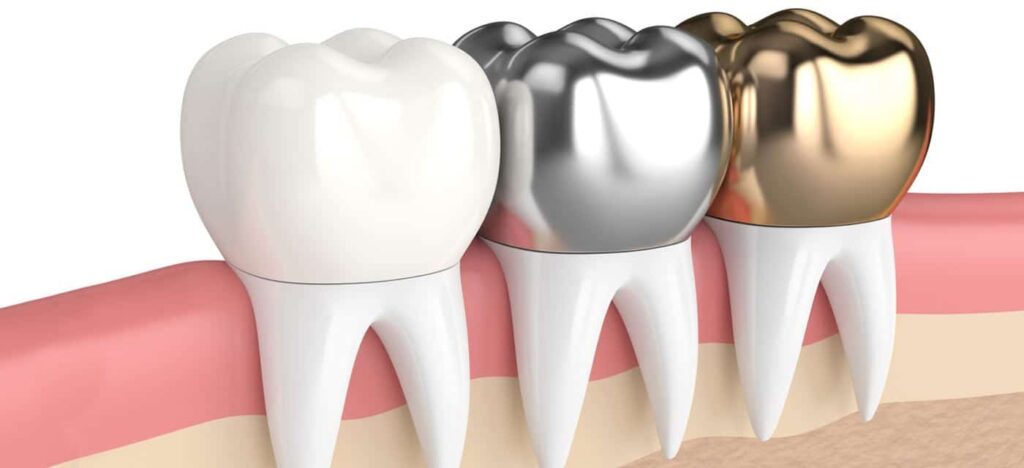

Cavities are very common. The most frequent symptoms of having a cavity include a sharp pain when drinking something cold, a black spot on your teeth, and food getting stuck in one place. A cavity will not heal itself and will get worse if ignored.
That is where dental fillings help. A filling stops the decay. It restores the tooth and lets you chew and smile without pain.
At Teeth and Smile in Gulberg III, Lahore, we offer dental fillings for every need. We use modern materials and gentle techniques. This blog discloses everything regarding dental feelings so read on.
What Causes Cavities?
Cavities occur due to acids being produced by harmful bacteria in your mouth. This can cause your enamel to erode and leave a hole in your tooth.
The bacteria feed off sugars and refined carbohydrates, and how often you consume these foods will affect you more. Having a sugary drink for over an hour will cause more damage than eating a chocolate bar in 5 minutes. This happens because the sugar has been in contact with your teeth for longer.
Several factors raise your risk:
- Having lots of sweet treats and food/drink
- Not having enough saliva, leading to dry mouth
- Poor brushing and flossing
- Gum recession exposing softer areas of your teeth
Cavities are preventable. Brushing twice daily with fluoride toothpaste helps. Flossing daily helps. Regular dental checkups catch problems early. If your decay has been left too long, you may need to have a tooth extraction in Lahore, which is why early treatment matters.
Types of Dental Fillings
Dentists use several materials. Each has strengths and weaknesses.
Amalgam (Silver Fillings)
Amalgam is an alloy of mercury, silver, copper, and tin. It is a popular filling material for over 150 years. It is a strong and durable material that is less likely to fracture than some other fillings. It is the cheapest option available.
Strengths: It is strong and can withstand high bite forces. Most studies show amalgam will last longer than composite. It is also cost-effective and can be fitted in a single appointment.
Weaknesses: It is silver in color and sometimes quite noticeable. It can also discolour, and when it is placed, it requires removal of some healthy tooth structure. It contains elemental mercury and releases small amounts of vapour according to the U.S. Food and Drug Administration FDA. It is better to avoid amalgam in certain groups, including pregnant women, breastfeeding mothers, children under 6, and those with neurological or kidney conditions.
Composite (White Fillings)
Composite is a mix of acrylic resin and glass particles. It matches your tooth color. The American Dental Association’s MouthHealthy resource explains that composite works well for small to mid-size fillings. It can be used on front or back teeth.
Strengths: It looks natural and bonds to the tooth, which allows your dentist to preserve more healthy tooth structure. It does not corrode and works best on front or back teeth.
Weaknesses: It wears faster than amalgam, especially in areas with heavy biting force. It costs comparatively more and takes longer to place. It can stain over time.
Glass Ionomer
Glass ionomers are tooth-colored materials made from glass powder and acrylic acids. They release fluoride, which helps prevent further decay. The Sussex Community NHS Foundation Trust notes that glass ionomer is weaker than composite. It works best for small fillings in low-pressure areas.
Strengths: They are natural-looking, release fluoride, require little drilling, and bond chemically to the tooth.
Weaknesses: Only suitable for small cavities in areas of low pressure, such as root surfaces. Not as durable as other materials; gets rougher over time.
How Long Do Fillings Last?
This depends on the type of filling used, where it is placed, and your lifestyle.
According to a long-term study, amalgam fillings lasted for a median of 12.8 years whilst composite fillings lasted 7.8 years. However, other research has shown amalgams to last between 10-15 years and composites between 5-8 years.
Newer composite materials have improved, with failure rates now possibly being around 5% rather than 15% as shown in older studies. There is still evidence to suggest amalgam would be more durable on posterior teeth.
Here is a simple comparison:
| Filling Type | Typical Lifespan | Best For |
| Amalgam | 10–15 years | Back teeth, heavy chewing |
| Composite | 5–8 years | Front teeth, visible areas |
| Glass Ionomer | 5 years or less | Small fillings, root surfaces |
When Do You Need a Filling?
A dental filling will be required if there is a cavity in your tooth. This can be identified by:
- Pain when eating or grinding
- Sensitivity to hot/cold/sweet food
- Dark spots or holes visible
- Food gets stuck in the same place
- Rough texture on your tongue
Sometimes there may be no symptoms at all, so regular visits to your dentist are important. Your dentist will be able to detect decay at an early stage. If decay reaches the pulp of the tooth, then a filling will not be enough. In such cases, a root canal may be needed.
By treating cavities early, you can save your natural tooth and avoid any unnecessary pain. If the tooth has been damaged beyond repair, tooth extraction may be required.
Choosing the Right Filling
The best choice depends on several factors:
- Location. Back teeth need strength. Amalgam or a strong composite works best. Front teeth need to look good, so you can choose composite. This is because it blends in.
- Size of the cavity. Small cavities work with any material. Large cavities need strength. Amalgam lasts longer in heavy-load areas.
- Your budget. Amalgam costs less and composite costs a bit more. Glass ionomer sits in between.
- Your preferences. Some people want mercury-free fillings. Others want tooth-colored fillings everywhere. Talk to your dentist about what matters to you.
Your dentist sees the cavity and knows your bite. They can advise what will work best in your specific case.
Get Dental Care at Teeth and Smile
Cavities won’t heal themselves. They can spread and become deeper. If you don’t get them treated, you will suffer more pain, and it will cost more.
If you think you have a cavity, then don’t leave it to get worse. At Teeth and Smile, we provide the best dental fillings in Lahore. We will assess your tooth and show you what options are available to you. We will place the correct filling for your needs.
Book your appointment today. Visit teethandsmile.pk. Have your tooth treated and keep your smile healthy!
FAQs
Are amalgam fillings safe?
There is no evidence to suggest amalgam fillings aren’t safe. Major health organisations like the FDA state there is no conclusive evidence that amalgam fillings pose a harmful effect on the general population. However, if you want to avoid amalgam fillings, then we can provide you with a safe option (composite).
What type of filling lasts the longest?
Amalgam fillings tend to last longer. Studies have shown amalgam fillings have a median lifespan of 10-15 years, compared to only 5-8 years for composites.
Do white fillings stain?
Composite fillings can stain. They can stain from drinking coffee/tea, smoking, or eating dark coloured foods. They can also wear down quicker than amalgam fillings. However, with good oral hygiene and regular polishing, you can keep their color intact.
How will I know if I need a filling?
If you are experiencing any pain when chewing, sensitivity to hot or cold, visible dark spots, or if food gets caught in one area, you may need a filling. Sometimes you may not suffer any symptoms. By visiting your dentist regularly, they will pick up cavities early. They will take an X-ray and visually inspect your teeth to see if there’s any decay.