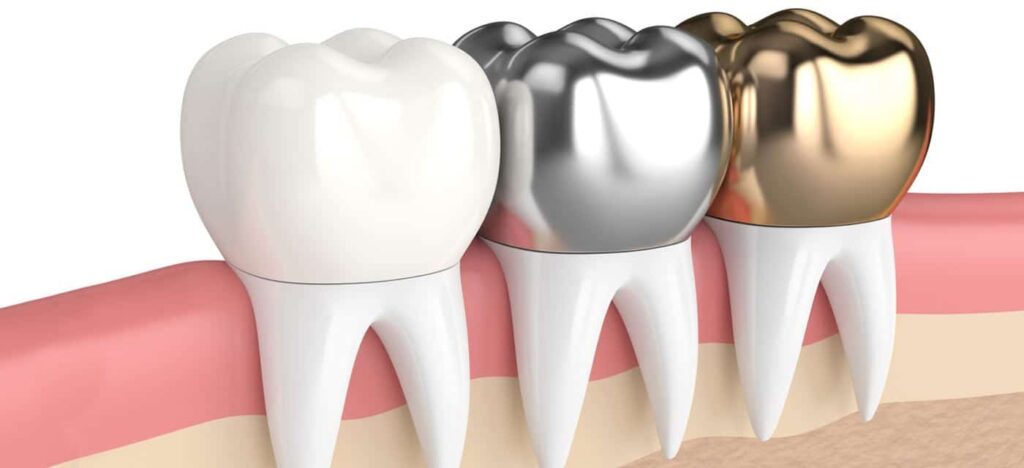

Missing teeth can impact many areas of your life. Globally, 7% of adults aged 20+ years suffer from tooth loss. This figure increases to almost 23% among those aged over 60. People who have completely lost most of their natural teeth usually utilize dentures to allow them to eat, speak correctly, and maintain facial muscle structure.
If you are looking for full or partial dentures in Lahore, understanding how they work will help you make the most of your first appointment. Whether you are replacing single molars or complete sets of teeth, Teeth and Smile Dental Clinic is highly trusted by patients as the best dental clinic in Lahore for all dental treatments.
We provide expert dental care, high-quality lab work, and comfortable dentures to fit your jaw. Alternatively, we have a wide range of treatments for missing teeth.
What is the Real Meaning of Dentures?
Dentures’ meaning comes down to a removable dental prosthesis, designed to replace missing teeth and gum tissue. Dentures are also generally known as artificial teeth. As opposed to natural teeth that are rooted directly into the jawbone, traditional dentures rest on top of the gum tissue. Alternatively, they may clip onto adjacent healthy teeth.
Well-designed dentures allow you to eat fibrous foods and clearly pronounce certain consonant sounds in speech, including ‘s’, ‘f’ and ‘th’. They also help support your lips and cheeks and hold up the jaw. Without stimulation from tooth roots for the jaw, the facial muscles will begin to recede, potentially making you appear much older than you are. So, dentures fix this issue.
Exploring the Main Types of Dentures
Depending on how many healthy teeth you currently have in your mouth, how much gum ridge tissue there is, and your budget, dentures can be provided in different forms.
-
Full Dentures
Full dentures act like artificial teeth. They are suitable if all your natural teeth have been lost in the upper arch, lower arch, or both.
-
Conventional Full Dentures
These will be made once any remaining damaged teeth have been removed and your gum tissue has fully healed (this can take between 8-12 weeks). As the gum tissue has fully settled, these dentures will fit perfectly straight away.
-
Immediate Full Dentures
These dentures will be pre-made and placed into your mouth on the same day as tooth extractions. You may require relining within the first few months of wearing them as the gum tissue heals and settles.
-
Partial Dentures
If you have healthy teeth in your mouth, partial dentures can be used to fill in the gaps. Partial dentures include a pink base and special clasps that closely grip your natural teeth. Wearing partial dentures can improve your smile, as well as prevent your natural teeth from becoming misaligned or slanted.
-
Overdentures with Implants
Sometimes standard lower dentures can become slightly unstable when speaking or chewing, as the muscles of your cheek and tongue push against them. To prevent this from happening, overdentures with implants can be provided. These attach to 2-4 titanium posts inserted into your jaw. You will be able to remove the dentures at night to clean them. Still, they will remain very stable during eating.
Denture Materials: How They Compare
Depending on what material your dentures are made from, the dentures can weigh differently, be more comfortable, be less likely to stain, and can be easier to fix. Recently, there has been a trend in using very light materials to make dentures. This allows them to more closely resemble natural gum tissue.
| Denture Material | Best Used For | Durability & Lifespan |
| Standard Acrylic Resin | Full dentures and budget-friendly partials | 5 to 8 years with normal wear |
| Flexible Nylon (e.g., Valplast) | Partial dentures in the front smile zone | 5 to 8 years; resists dropping/fractures well |
| Cobalt-Chromium (Cast Metal) | Long-term removable partial dentures | 10+ years; strongest structural frame |
| Porcelain Teeth (on Acrylic Base) | Select full upper dentures | Very wear-resistant, though brittle if dropped on tile |
How Dentures Are Made: What Happens at the Clinic
Getting comfortable and well-fitting dentures can take a few appointments. At Teeth and Smile, one of the leading dental clinics in Gulberg, Lahore, we can provide dentures within 4-5 short appointments over 3-4 weeks to give you a natural bite:
- Examination & Impression: A thorough exam of the gum ridges, remaining teeth, and jaw alignment will be performed. Detailed impressions of your mouth will be taken using putty or digitally.
- Bite registration: Using wax, your dentist will measure how your upper and lower jaws come together so that you can achieve a comfortable and natural bite.
- Trial Wax denture: A trial wax denture with your real false teeth will be provided. You can view the colour, size and shape of your smile in the mirror. Any changes can be requested at this stage.
- Final Fit & Adjustments: Once the final denture has been made in the lab, we will fit it in the clinic. We can check for any uncomfortable pressure points and teach you how to fit and remove them safely.
How Much Do Dentures Cost in Pakistan
Dentures cost in Pakistan can vary depending on several things:
| Treatment / Procedure | Estimated Price Range in Lahore / Teeth & Smile | What It Covers |
| Standard Acrylic Partial Dentures | PKR 15,000 – PKR 25,000 | Replaces a few missing teeth using a gum-colored acrylic base and wire clasps. |
| Complete Acrylic Dentures (Single Arch) | PKR 25,000 – PKR 50,000 | Replaces an entire upper or lower arch of missing teeth. |
| Flexible Nylon Partial Dentures (e.g., Valplast) | PKR 35,000 – PKR 75,000 | Metal-free, lightweight, and bendable partial dentures for improved aesthetics. |
| Cast Cobalt-Chromium Partial Dentures | PKR 40,000 – PKR 90,000 | Durable metal-framed partial dentures featuring an ultra-thin palate for natural comfort. |
| Implant-Retained Overdentures | PKR 150,000 – PKR 350,000+ | Snap-on removable dentures secured firmly to 2 to 4 dental implants in the jawbone. |
Compare Dentures and Dental Implants (and Other Options)
Often, patients ask us to compare dentures with implants. Depending on jawbone density, medical history, and budget, either option may be best for you.
- Dentures vs Implants: Compared to implants, traditional dentures can be provided quickly (a few weeks) and at a much lower price. However, dentures will not stop the slow recession of jawbone tissue over time. If you want a permanent, long-lasting solution to replace the roots of your teeth, whilst maintaining volume in your jawbone, consider dental implants in Lahore.
- Other Options to Dentures: If you are missing just one or two teeth in a row, a dental bridge or custom zirconium crown can be a good alternative. The dental bridge will be supported by the healthy teeth on either side of the gap, permanently placing a replacement tooth in position.
Daily Care and Hygiene Rules That Protect Your Dentures
Spreading dental health awareness means reminding patients that it is very important to keep their artificial teeth clean to avoid plaque, tartar, and fungal build-up, just as you would with natural enamel. If they are not cleaned regularly, this can cause irritation, bad breath, and discolouration.
With a few simple steps and the right products, you can ensure your dentures stay in great condition.
- Rinse after eating: After eating, gently rinse your dentures under warm water to remove any food debris. Do not use hot or boiling water, as it can permanently warp the acrylic.
- Brush with a soft denture brush: A regular toothbrush contains harsh particles that can scratch the acrylic. Therefore, use a soft-bristled denture brush with a non-abrasive denture cleaning product.
- Soak overnight: Every night, your gum tissues should get at least 6-8 hours of rest and oxygen. Therefore, soak your dentures in water or a mild solution overnight. This will mean the base of your dentures does not dry out and lose shape.
- Clean your gums and tongue: Even if you have a full set of dentures, it is very important to gently clean your gums, tongue, and palate with a soft toothbrush. This should be done every morning to encourage good blood flow.
Visit the Best Dental Clinic in Lahore for Custom Dentures
Looking for natural-appearing, comfortable, and long-lasting full and partial dentures in Lahore? At Teeth and Smile Dental Clinic in Gulberg, we can provide exactly what you need to regain your confident smile!
We are known as the best dental clinic in Lahore, and we will guide you through samples of materials, timelines, and clear costs before any work is completed in the laboratory. To book an appointment, click here!
FAQs:
What is called a denture?
Dentures are artificial teeth. They can be either full or partial prostheses to replace missing teeth and gum tissue within the mouth. If multiple teeth are missing, then full dentures may be recommended. Alternatively, a partial denture may be used to replace teeth where there are some natural teeth present in the mouth.
How much do dentures cost in Pakistan?
Acrylic partial dentures in Pakistan cost from PKR 15000 to PKR 25000 depending on the number of missing teeth. Acrylic full dentures (one arch) typically cost between PKR 25000 to PKR 50000. Flexible nylon partial dentures, cast metal framework dentures, and implant-retained overdentures can vary in price from PKR 35000 to PKR 180000+ depending on the type.
Which type of denture is best?
It depends on individual cases. If strong abutment teeth are present in the mouth, cast frameworks made from cobalt-chromium are very durable and slim dentures. However, if metal-free clasps are desired in anterior areas of the mouth, flexible nylon partial dentures are a better choice. In cases of full dentition loss, implant-retained overdentures give the most stable mastication.
How long does it take to get used to wearing new dentures?
Most people will require 2-4 weeks to become used to their dentures. In the first few days, increased saliva production, slight soreness on the gums, and difficulty pronouncing words are all normal. Eating soft food and reading out loud for ten minutes daily can help quicker adaptation of the jaw muscles.
Can I sleep with my dentures in at night?
It is highly advised by dentists not to wear dentures at night. Wearing dentures constantly can cause excessive pressure on the alveolar ridges, causing increased resorption of bone and also making the patient prone to infections such as denture stomatitis. Leaving dentures in a soaking solution overnight allows tissues within the mouth to recover.